
Comparative-historical sociology
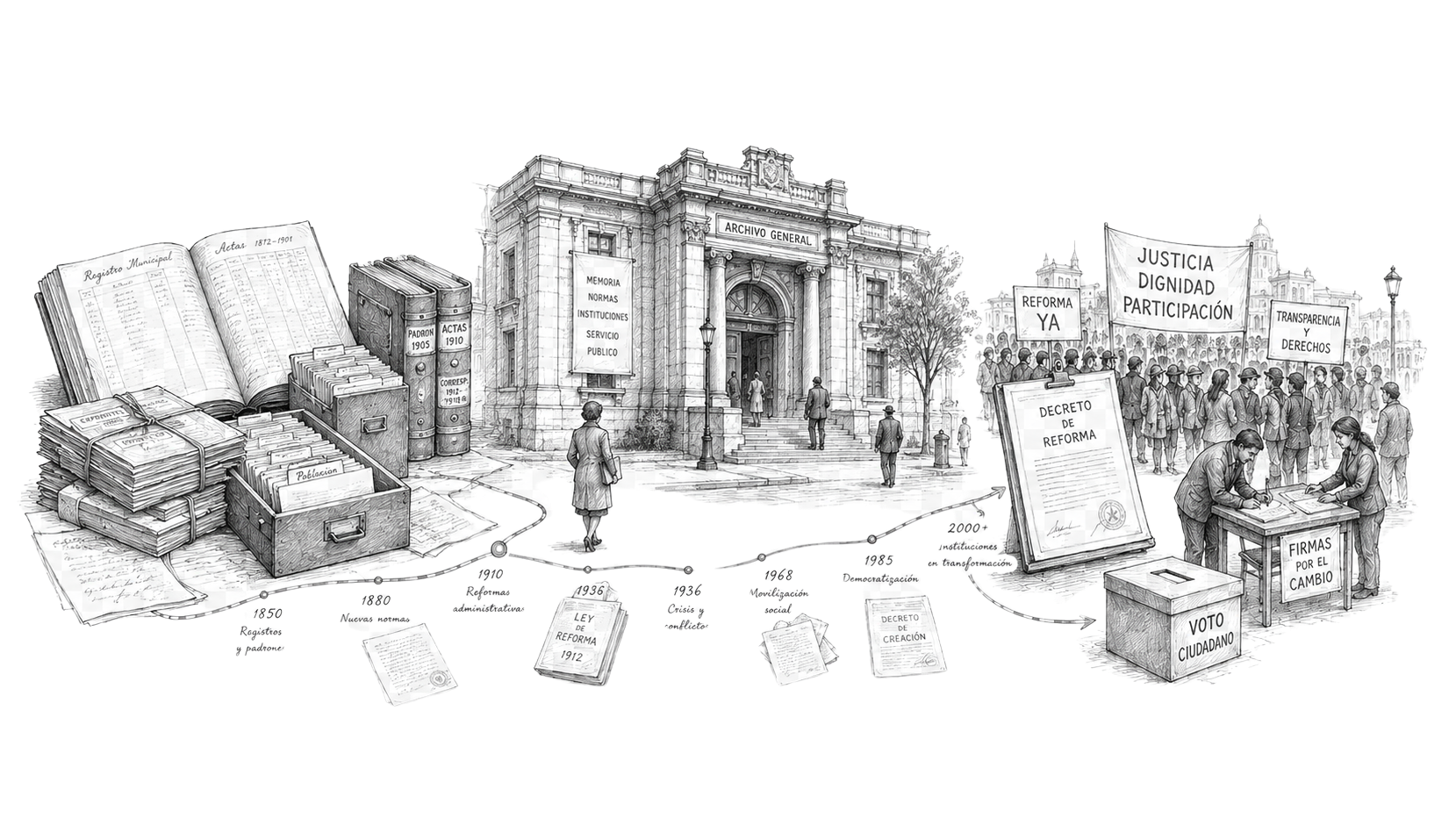
Historical analysis of institutions, political conflict, state formation, corruption, reform, and long-term social change using archival, documentary, and comparative methods.
01 / 04
Agenda
My work connects historical sociology and socio-technical analysis to examine how power is organized through institutions, classifications, public services, digital platforms, and AI systems.
scroll ↓
SkipResearch
How do institutions, classifications, and technologies organize power, produce vulnerability, and reshape governance?
Anti-corruption reform, public services, state capacity, opacity, and the historical sociology of governance.
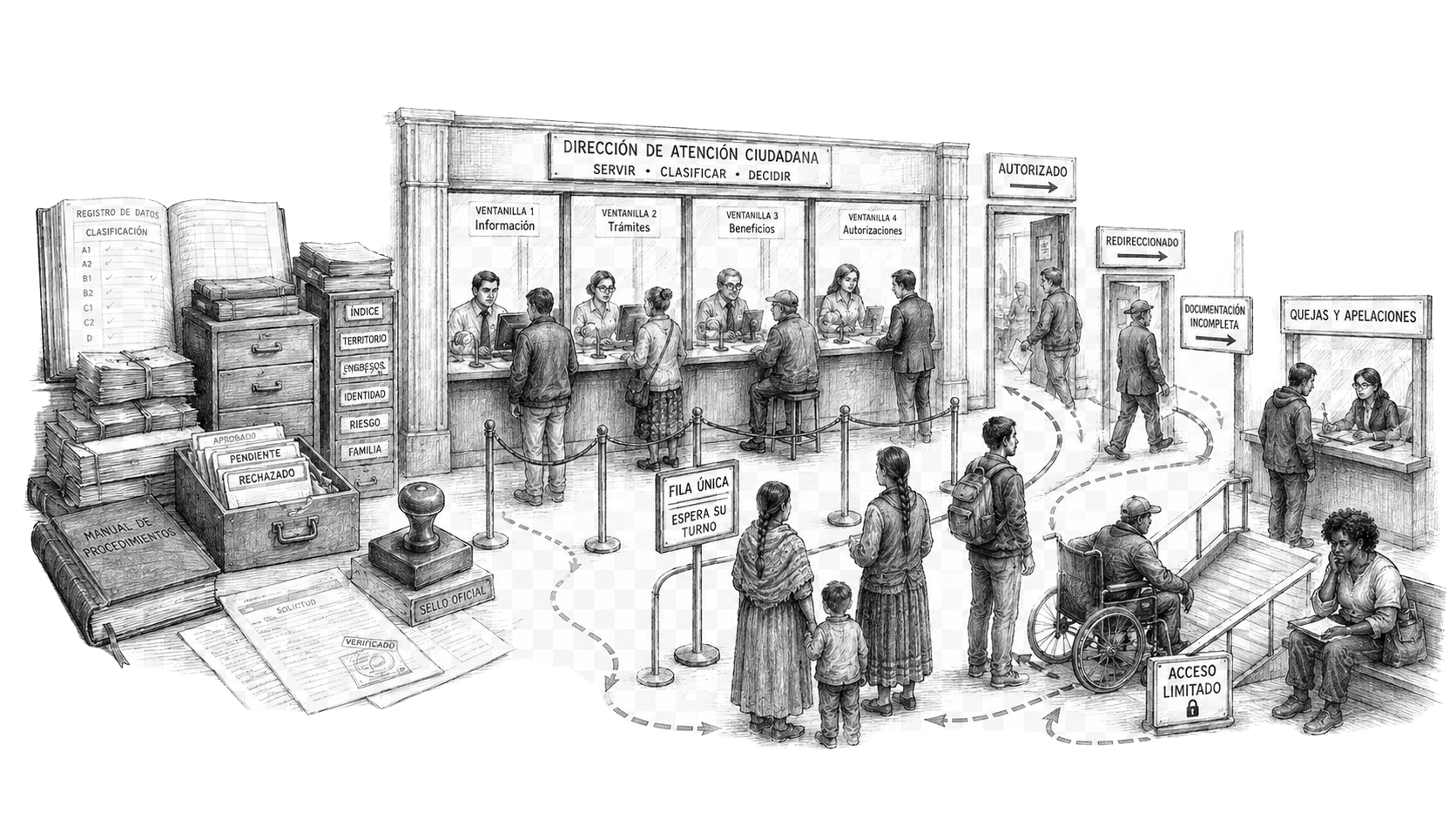
Race, Indigeneity, identity categories, social vulnerability, and the politics of classification.
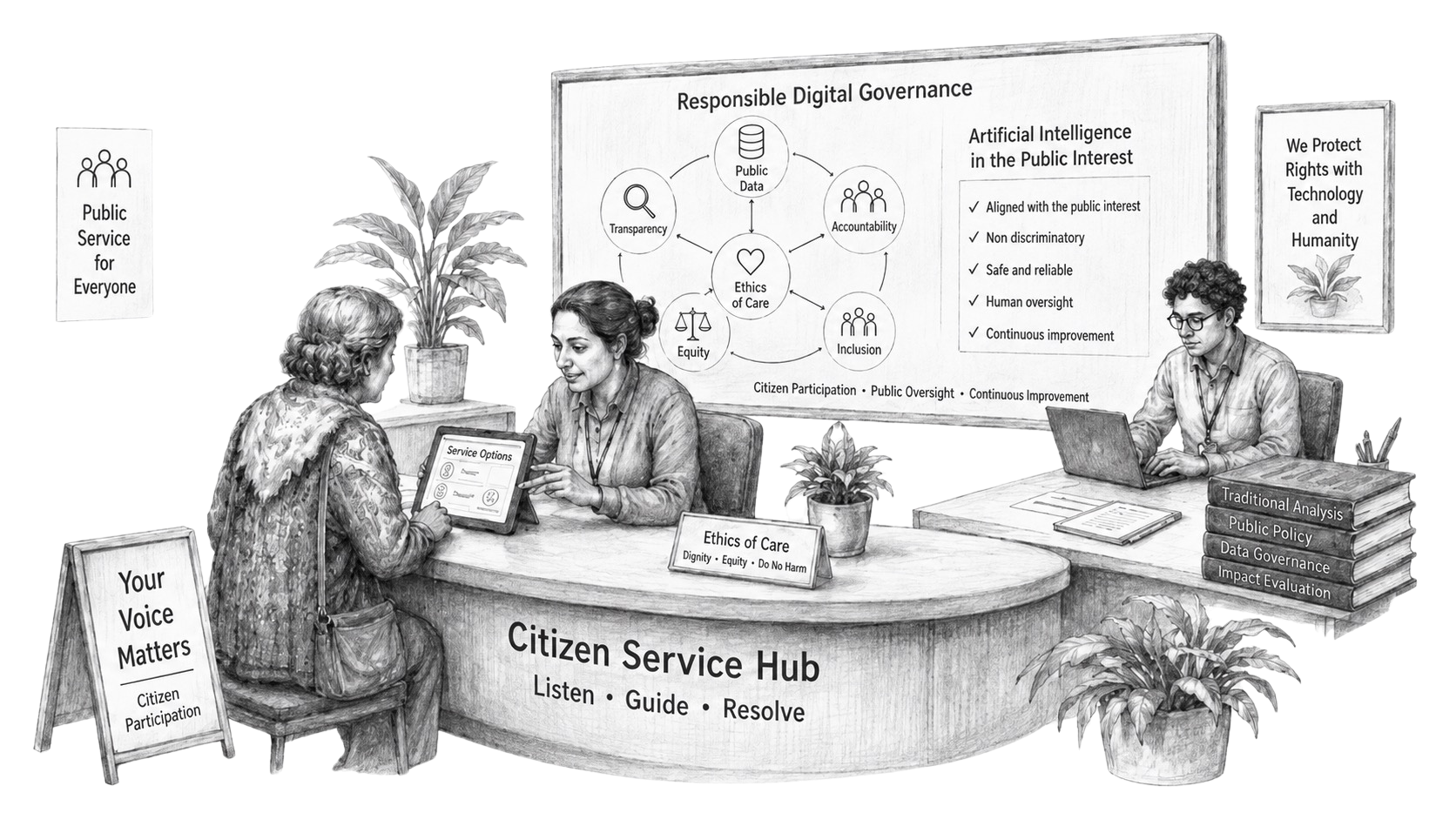
Digital public services, responsible AI, care ethics, gendered harm, information systems, and institutional accountability.
Teaching
Teaching connects historical sociology, governance, inequality, digital transformation, responsible AI, and applied social research methods. The emphasis is on helping students understand institutions, analyze evidence, work with social data, and evaluate digital systems in context.
Historical sociology and social research methods
Historical analysis of institutions, political conflict, state formation, corruption, reform, and long-term social change using archival, documentary, and comparative methods.
Qualitative coding, interviews, focus groups, survey data, social data analysis, visualization, and introductory R/Python workflows for social research.
Governance, inequality, and cultural analysis
Public institutions, anti-corruption, accountability, administrative opacity, state capacity, public services, and institutional vulnerability.
Race, Indigeneity, identity categories, cultural repertoires, media, political imagination, recognition, and classification systems.
Technology, AI, and sociotechnical systems
Digital platforms, data infrastructures, algorithmic power, AI and inequality, digital transformation, and the social consequences of technical systems.
Responsible AI, digital public services, AI agents, dashboards, prototyping, sociotechnical evaluation, ethics, care, accountability, and public innovation.
Applied Work
This work connects academic research to editorial service, peer review, research infrastructure, policy engagement, public communication, and applied digital systems.
A GovTech platform integrating sociological and governance insights with NLP pipelines, LLM-assisted guidance, responsible AI principles, and blockchain-based evidence anchoring for secure reporting and accountability.
View platform →Editorial service in a Q1 Information Systems journal, supporting scholarly evaluation and field development in digital transformation, governance, and sociotechnical research.
Editorial work →Reviewer for venues including European Journal of Information Systems, ACM SIGMIS Database, ECIS, HICSS, Projeto História, Cogent Arts & Humanities, and Revista Mediações.
Review activity →Co-coordinator of the Gender and Technology mini-track at the 58th Hawaii International Conference on System Sciences, supporting interdisciplinary work on technology, gender, and institutions.
Conference service →Evaluator of Marie Skłodowska-Curie Actions applications, with experience in competitive research assessment, proposal development, and international funding environments.
Research assessment →Engagement with ODS 9 and 16, anti-corruption policy, the American Bar Association, Revista Humanitas, and media commentary on corruption, governance, technology, and public policy.
Public engagement →Contact
Research, teaching, and public engagement across governance, inequality, digital public services, and responsible AI.